
Understanding the nuances of property ownership in the UAE can be the key to making sound investment decisions. With the real estate market constantly evolving, it's essential to grasp the distinctions between freehold and leasehold properties. Here’s what you will learn about navigating this landscape:
What You Will Learn
- Freehold properties offer complete ownership of both the property and the land, allowing for modifications as desired.
- Leasehold properties grant ownership for a defined period, typically between 30-99 years, with land ownership remaining with the freeholder.
- Familiarization with Dubai's legal framework and property laws is crucial for navigating investments confidently.
- Key regulations, like the Strata Law and RERA, significantly influence property management and consumer protection.
- Analyzing real-world case studies helps illustrate potential returns on investment for both property types.
- Current housing demand trends indicate a rising interest in both luxury freehold and affordable leasehold options among expats and locals.
Freehold vs Leasehold Property Comparison in the UAE
This visual compares key aspects of Freehold and Leasehold property ownership in the UAE, highlighting differences in ownership, appreciation, and suitability for investment goals.
Freehold Property
- Ownership: Complete ownership of property and land (perpetual).
- Term: Indefinite.
- Appreciation Goal: Higher potential for capital appreciation (e.g., 50% ROI in 5 years for a villa).
- Transferability: Easily sold, leased, or inherited without external consent.
- Flexibility: Freedom to modify property.
Leasehold Property
- Ownership: Ownership of property for a defined period; land owned by freeholder.
- Term: Defined period (30-99 years).
- Appreciation Goal: Consistent cash flow, moderate appreciation (e.g., 20% ROI in 5 years for an apartment).
- Transferability: May require freeholder consent for transfers.
- Flexibility: Limited modifications due to freeholder rules.
Understanding Freehold and Leasehold Properties in the UAE
When it comes to investing in real estate in the UAE, understanding the differences between freehold and leasehold properties is essential. As a seasoned real estate expert, I can tell you that grasping these concepts helps you make informed decisions that align with your investment goals. Let's dive into what these terms really mean!
Defining Freehold vs Leasehold Ownership
In simple terms, owning a freehold property means you have complete ownership of the property and the land it sits on. This ownership is perpetual and allows you the freedom to modify your property as you please. On the other hand, a leasehold property means you own the property for a defined period (usually between 30-99 years), but the land remains under the ownership of the freeholder. For a deeper understanding of these concepts, you can refer to guidance on freehold and leasehold property explained by the UK government.
- Freehold: Full ownership of property and land
- Leasehold: Ownership of property for a set term
- Transferability: Freehold properties can be sold, leased, or inherited, while leasehold properties may require consent from the freeholder for transfers. The Royal Institution of Chartered Surveyors (RICS) also provides valuable insights into these differences.
Understanding these distinctions is crucial for anyone looking to invest in the UAE market. Remember, each option comes with its unique set of rights and responsibilities that can affect your investment strategy!

The Legal Framework of Property Ownership in Dubai
The UAE has a robust legal framework governing property ownership, especially in Dubai. Property laws here have evolved to promote foreign investment, making it easier for expatriates to own freehold properties. As an investor, it's essential to familiarize yourself with the Dubai Land Department regulations, which oversee all transactions and ensure transparency. You may also find it helpful to look at general property legislation, such as the Law of Property Act 1925, which outlines foundational principles relevant to leasehold and freehold ownership.
- Property registration is mandatory in Dubai for both freehold and leasehold properties.
- Foreign ownership is allowed in designated areas, enhancing investment opportunities.
- Legal documentation must be properly managed to avoid future disputes.
By understanding the legal aspects, you can navigate the property market with confidence. At Freehold Properties UAE, we ensure that our clients are well-informed about these regulations to avoid any surprises down the line.
Key Real Estate Regulations Impacting Buyers in the UAE
Several regulations play a pivotal role in shaping the real estate landscape in the UAE. For instance, investors should be aware of the Strata Law, which governs ownership in multi-unit buildings. This law ensures that owners are treated fairly in terms of common property management. Moreover, the Real Estate Regulatory Agency (RERA) is responsible for maintaining standards in the industry, protecting buyers and investors alike.
- Strata Law: Governs the management of shared properties.
- RERA: Regulates real estate practices and ensures consumer protection.
- Property taxation: Understand local taxes and fees that may apply.
Being aware of these key regulations will not only protect your investment but also enhance your overall property buying experience. As always, my team and I at Freehold Properties UAE are here to guide you through every step!
Interactive Poll: Your Investment Preference
As you consider investing in the UAE property market, we'd love to know your thoughts! Which property type do you believe aligns better with your investment goals?
Making an Informed Decision: Freehold vs Leasehold
When considering an investment in the UAE's dynamic property market, understanding the differences between freehold and leasehold ownership is crucial. Each option offers unique benefits and challenges that can significantly impact your financial future. I often tell my clients at Freehold Properties UAE to carefully evaluate their personal investment goals and risk tolerance before making a decision. This self-assessment can help determine which property type aligns best with their long-term aspirations.
Here are some questions I recommend asking yourself to evaluate your position:
- What is my budget for initial property investment?
- Am I comfortable managing a property myself, or do I prefer a hands-off approach?
- What are my long-term financial goals—appreciation, rental income, or both?
- How long do I plan to hold onto this investment?
By answering these questions, you can better identify whether a freehold or leasehold property suits your needs. Remember, it’s not just about buying property; it’s about making a wise investment!
Comparative Case Studies: Real-World ROI Examples
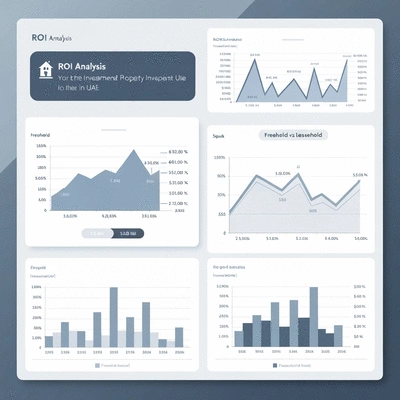
Let’s delve into some real-world examples to illustrate the potential return on investment (ROI) for both freehold and leasehold properties. Understanding these cases can offer you a clearer picture of what to expect.
- Freehold Example: A client purchased a freehold villa in Dubai Hills Estate for AED 3 million. After five years, the property appreciated to AED 4.5 million, yielding a 50% return.
- Leasehold Example: Another client opted for a leasehold apartment in Dubai Marina for AED 1.5 million. While it generated steady rental income, the property value increased only to AED 1.8 million over the same period, resulting in a 20% return.
As you can see, freehold properties may offer higher returns due to their appreciation potential. However, leasehold properties can provide consistent cash flow, making them beneficial depending on your investment strategy. It’s vital to weigh these factors based on your individual situation and goals.
Market Analysis: Understanding Current Housing Demand
The UAE property market is constantly evolving, and understanding current housing demand is pivotal when deciding between freehold and leasehold options. Recent trends indicate a surge in demand for both types of properties, with expats and locals looking for homes that fit their lifestyle.
Key factors driving demand include:
- Growing expatriate population seeking permanent residency options.
- Increased interest in luxury freehold properties, especially in prime locations like Downtown Dubai.
- Affordable leasehold options appealing to young professionals and first-time buyers.
This dynamic environment means that staying informed about market trends can help you make better investment decisions. As I often advise my clients, thorough research paired with strategic insights can significantly improve your chances of success in the UAE's competitive real estate market.
Frequently Asked Questions (FAQs)
- Q: What is the main difference between freehold and leasehold property in the UAE?
- A: Freehold property grants complete ownership of both the property and the land indefinitely. Leasehold property grants ownership of the property for a defined period (e.g., 30-99 years), while the land itself remains owned by the freeholder.
- Q: Can foreigners own freehold property in Dubai?
- A: Yes, foreigners are allowed to own freehold properties in designated areas across Dubai, thanks to the evolving legal framework designed to encourage foreign investment.
- Q: What is the role of the Dubai Land Department and RERA?
- A: The Dubai Land Department (DLD) oversees all property transactions and ensures transparency. The Real Estate Regulatory Agency (RERA), a branch of DLD, regulates real estate practices and protects buyers and investors.
- Q: How does Strata Law affect property owners in multi-unit buildings?
- A: Strata Law governs the management of shared properties in multi-unit buildings, ensuring fair treatment and clear guidelines for common property maintenance and shared responsibilities among owners.
- Q: Which property type offers higher potential for capital appreciation?
- A: Freehold properties generally offer higher potential for capital appreciation due to complete ownership and indefinite terms, as illustrated by our case studies showing a 50% ROI for a freehold villa compared to 20% for a leasehold apartment over five years.
Recap of Key Points
Here is a quick recap of the important points discussed in the article:
- Freehold vs Leasehold: Freehold properties offer complete ownership of both the property and land, while leasehold properties grant ownership of the property for a defined period.
- Legal Framework: Familiarity with the Dubai Land Department regulations is crucial for smooth property transactions and to ensure legal compliance.
- Key Regulations: Understanding Strata Law and the role of the Real Estate Regulatory Agency (RERA) helps protect your investment.
- Investment Goals: Assess your budget, management preferences, and long-term financial goals to determine the best property type for your needs.
- Market Trends: Stay informed about current housing demand and market dynamics to enhance your investment opportunities in the UAE.