The UAE's real estate market thrives on its dynamic relationship with tourism. As we anticipate a surge in visitors, understanding the key insights can empower investors to make informed decisions and seize emerging opportunities.
What You Will Learn
- Tourism significantly drives real estate demand, especially in high-traffic areas.
- Short-term rentals are increasingly popular, leading to higher occupancy rates and rental yields.
- Proximity to luxury hotels and tourist attractions enhances property values.
- Investors should focus on prime locations, particularly waterfront and central areas, for better returns.
- Understanding foreign direct investment (FDI) is crucial as it influences market stability and development.
- Emerging infrastructure projects will further boost real estate demand, making them key investment areas.
Tourism and Real Estate: Key Influences and Opportunities
The visual below illustrates the direct connections and emerging investment opportunities driven by the interplay between tourism growth and the UAE real estate market.
How Tourism Drives Real Estate Demand
- Increased rental demand (short-term accommodations)
- Higher occupancy rates near major attractions
- Appreciation of property values in tourist-favored areas
Key Property Segments Benefiting
- Short-term rentals: Quick returns
- Serviced apartments: Tourists & business
- Luxury residences: Affluent buyers
Prime Location Performance
- Waterfront: Higher rental prices
- Central: Convenience & accessibility
- Tourist-heavy: Reduced vacancy risks
Rental Yields & Market Value
- Strong yields: Constant tourist demand
- Price appreciation: Increased interest
- Lower vacancy: High occupancy
FDI Impact on Growth
- Increased development: Enhanced offerings
- Competitive pricing: Attractive options
- Enhanced stability: Diverse sources
Supporting Infrastructure Developments
- Expansion of Dubai Metro connecting key tourist areas
- New theme parks and entertainment zones
- Upgrades to airports for enhanced travel convenience
The Interplay Between Tourism and UAE Real Estate Market Trends
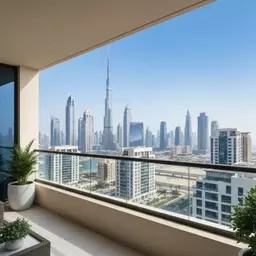
The relationship between tourism and the UAE real estate market is fascinating! As a real estate expert with over a decade in the UAE property market, I've witnessed firsthand how a surge in tourism can lead to an increase in demand for real estate. Major cities like Dubai, with their stunning attractions and vibrant lifestyle, become hotspots for both tourists and prospective homeowners. This direct connection between tourism growth and real estate dynamics plays a crucial role in shaping market trends, as highlighted in the 2024 Global Real Estate Market Outlook.
In 2025, we can expect to see continued growth in tourist arrivals, which will undoubtedly influence the real estate landscape. As more visitors flock to the UAE, they not only seek unforgettable experiences but also explore various property options, from luxury villas to modern apartments.
Understanding the Connection: How Tourism Drives Real Estate Demand
Tourism acts as a catalyst for real estate demand in the UAE, especially in tourist-centric areas. When tourists visit, they often look for accommodations that enhance their experience, ranging from hotels to private rentals. This increased demand leads to a heightened interest in the real estate sector, making it essential for investors to stay informed about trends in tourism, as detailed in the Dubai Tourism Overview reports and statistics.
- Increased rental demand, particularly for short-term accommodations.
- Higher occupancy rates in properties located near major attractions.
- Appreciation of property values in areas favored by tourists.
These factors not only bolster the real estate market but also create opportunities for investors like you, eager to capitalize on the tourism boom. With the right property in a prime location, you could enjoy strong returns and contribute to the vibrant atmosphere that makes the UAE such an attractive destination.
Factors Influencing Real Estate Trends Due to Tourism
There are several key elements that shape real estate trends in response to tourism. Increased rental demand is one significant factor, as visitors often prefer short-term rentals over traditional hotels. This shift creates opportunities for property owners to generate income while providing guests with unique experiences.
- Seasonal fluctuations affecting rental pricing and availability.
- Impact of cultural events and festivals on property demand.
- Marketing strategies tailored to attract both tourists and long-term residents.
Understanding these dynamics helps you navigate the complexities of the market. By aligning your investment strategies with tourism trends, you can make informed decisions that cater to the evolving needs of the market.
The Role of the Hospitality Sector in Shaping Property Values
The hospitality sector significantly impacts property values in the UAE, especially in tourist hotspots. Hotels and short-term rentals create a vibrant demand for housing, influencing the overall market. As a seasoned professional at Freehold Properties UAE, I can attest to how the hospitality industry supports property appreciation in popular areas.
- Luxury hotels attract high-end buyers seeking investment properties.
- Short-term rentals provide flexible accommodation options for travelers.
- Proximity to hospitality venues enhances property desirability and value.
This interplay between tourism and real estate is vital for potential investors. By focusing on properties near hospitality hubs, you can tap into a steady stream of interest from tourists and residents alike!
Investment Opportunities Arising from Tourism Growth
As tourism continues to flourish in the UAE, numerous investment opportunities are emerging. Understanding the types of properties that are thriving in this environment can guide your investment decisions.
Key Property Segments Benefiting from Tourist Activity
Several property segments are experiencing substantial growth due to increased tourist activity. As I guide my clients at Freehold Properties UAE, I ensure they recognize these lucrative areas:
- Short-term rentals: Ideal for investors looking for quick returns.
- Serviced apartments: Attracting both tourists and business travelers.
- Luxury residences: Catering to affluent buyers seeking prime locations.
These segments are not only popular among tourists but also provide excellent rental yields for investors. By focusing on these property types, you can leverage the tourism boom and enhance your investment portfolio!
The Performance of Prime Locations in the UAE Real Estate Market
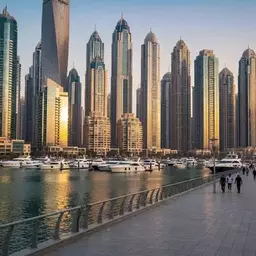
Location is key to understanding property performance in the UAE, particularly in areas with high tourist traffic. Properties situated in waterfront, central, and tourist-heavy zones tend to outperform those in less frequented areas.
- Waterfront properties often yield higher rental prices.
- Central locations offer convenience and accessibility for tourists.
- Tourist-heavy areas see reduced vacancy risks due to constant demand.
Investing in prime locations enhances your chances for success in the competitive real estate market. As you explore options, consider how location will impact the long-term value and attractiveness of your investments.
Rental Yields and Market Value Perspectives
Understanding rental yields and market value is essential for investors interested in tourist zones. Properties in these areas generally offer higher rental yields and appreciate in value, creating a favorable investment climate.
- Strong rental yields due to constant tourist demand.
- Price appreciation driven by increased interest in the area.
- Lower vacancy risks stemming from high occupancy rates.
By diving into the numbers, you can make data-driven decisions that align with the current market trends. Let’s work together to identify properties that not only meet your needs but also promise lucrative returns!
Foreign Direct Investment and Its Impact on Real Estate Growth
Foreign direct investment (FDI) plays a pivotal role in shaping the UAE real estate market. As tourism grows, so does interest from international investors looking to capitalize on the opportunities in the region. This influx of investment brings a wealth of benefits.
- Increased development projects enhancing property offerings.
- Competitive pricing and attractive financing options.
- Enhanced market stability due to diverse investment sources.
By understanding the influence of FDI, you can position yourself strategically in the market, ensuring you’re ready to seize new opportunities as they arise!
Pro Tip
Did you know? Investing in properties that are located near upcoming infrastructure projects can significantly enhance your returns. As the UAE continues to develop its transportation and entertainment facilities, properties in these areas are likely to appreciate in value, making them a smart choice for forward-thinking investors!
Frequently Asked Questions (FAQs)
1. How does tourism influence the UAE real estate market?
Tourism significantly drives real estate demand by increasing the need for short-term accommodations and raising occupancy rates, especially in areas near major attractions. This leads to an appreciation of property values in tourist-favored locations.
2. Which property segments benefit most from tourist activity?
Key property segments benefiting from tourist activity include short-term rentals, serviced apartments (popular with both tourists and business travelers), and luxury residences, which cater to affluent buyers.
3. What are the best locations for real estate investment driven by tourism?
Prime locations such as waterfront properties, central areas offering convenience and accessibility, and tourist-heavy zones generally outperform others due to higher rental prices and reduced vacancy risks.
4. How do rental yields and market value perform in tourist zones?
Properties in tourist zones typically offer strong rental yields due to constant demand and experience price appreciation driven by increased interest. High occupancy rates also lead to lower vacancy risks.
5. What role does Foreign Direct Investment (FDI) play in UAE real estate?
FDI is crucial for real estate growth, leading to increased development projects, competitive pricing, attractive financing options, and enhanced market stability through diverse investment sources.
6. How do infrastructure developments support real estate growth in the UAE?
Infrastructure projects like the expansion of the Dubai Metro, new theme parks, and airport upgrades enhance accessibility and convenience, making areas more attractive to tourists and residents, which in turn boosts real estate demand and value.
Future Outlook: The Continued Growth of Tourism and Real Estate in the UAE
As we look ahead, the relationship between tourism and the real estate market in the UAE shows promising signs of growth. With the influx of visitors and the ongoing development of tourist attractions, the demand for quality real estate will likely continue to rise. I believe that areas like Dubai and Abu Dhabi will see an uptick in property values as more international tourists flock to the region. By staying informed about these trends, investors can make strategic decisions that align with the evolving market landscape.
One key trend to watch is the increasing preference for luxury living among tourists. With an emphasis on high-end amenities and lifestyle offerings, properties that cater to this demand will thrive. Additionally, the expectation of a steady flow of visitors for events, exhibitions, and conferences will bolster the real estate market further, as detailed by Visit Dubai's insights.
Empowering Investors: Making Informed Decisions
To truly capitalize on the opportunities presented by the growing tourism sector, I encourage potential investors to consider the insights shared in this article. Understanding the nuances of the market can empower you to make informed decisions. Here are some helpful tips:
- Research Local Trends: Stay updated on areas that are popular with tourists and analyze their real estate dynamics.
- Evaluate Property Types: Consider investing in short-term rentals or serviced apartments, which can yield higher returns.
- Network with Experts: Connect with real estate professionals who specialize in the tourist-centric sectors to gain firsthand knowledge.
By adopting a data-driven approach and leveraging expert insights, you can navigate the complexities of the UAE real estate market with confidence. Remember, informed decisions today can lead to prosperous investments tomorrow!
Infrastructure Development: Supporting the Future of Tourism and Real Estate
The UAE's commitment to infrastructure development is another significant factor that will support both tourism and real estate growth. Ongoing projects, such as new transportation links and entertainment facilities, are designed to enhance accessibility and attract more visitors. These developments not only improve the tourist experience but also lead to a surge in real estate demand.
Some exciting infrastructure developments to keep an eye on include:
- Expansion of the Dubai Metro, which will connect key tourist areas.
- New theme parks and entertainment zones that will draw families and thrill-seekers alike.
- Upgrades to airports, enhancing travel convenience for international tourists.
As these projects come to fruition, they will undoubtedly increase the appeal of various locations within the UAE, making them prime spots for real estate investment. Investing in areas with strong infrastructure development can lead to significant returns and long-term value.
Recap of Key Points
Here is a quick recap of the important points discussed in the article:
- Tourism significantly drives demand in the UAE real estate market, particularly in tourist-centric areas.
- Investors should focus on property types such as short-term rentals and serviced apartments to maximize returns.
- Prime locations, especially near hospitality venues, are crucial for property value appreciation.
- Understanding seasonal trends and cultural events can help investors make informed decisions.
- Infrastructure development enhances accessibility and attractiveness, further supporting real estate growth.